A Traveler's Journal
Four Doors to the Caucasus
Quiet writings on solo travel and liberty routes through Georgia — lonely trails, Svan towers, and the forests of Borjomi.
Quiet writings on solo travel and liberty routes through Georgia — lonely trails, Svan towers, and the forests of Borjomi.
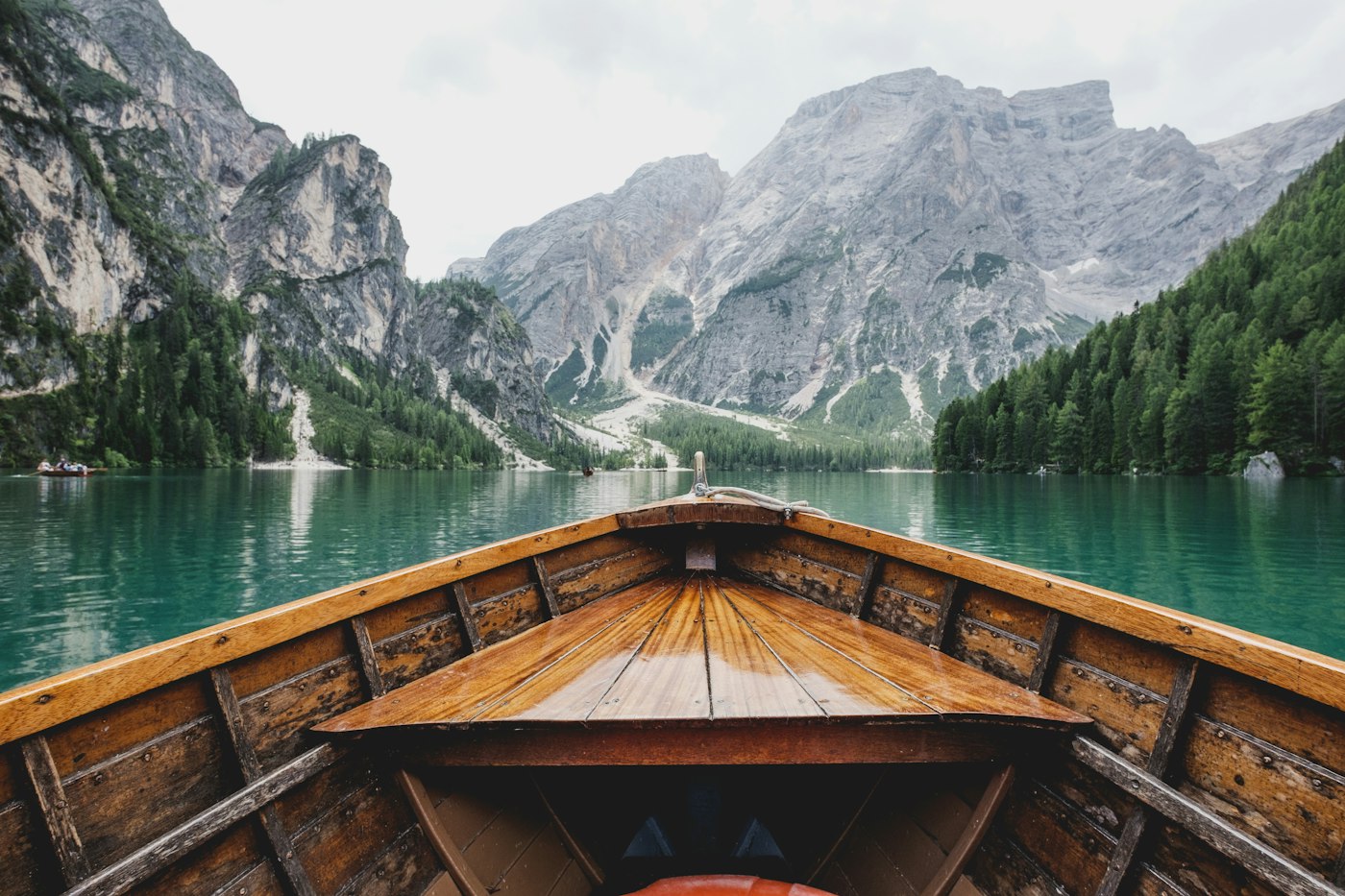
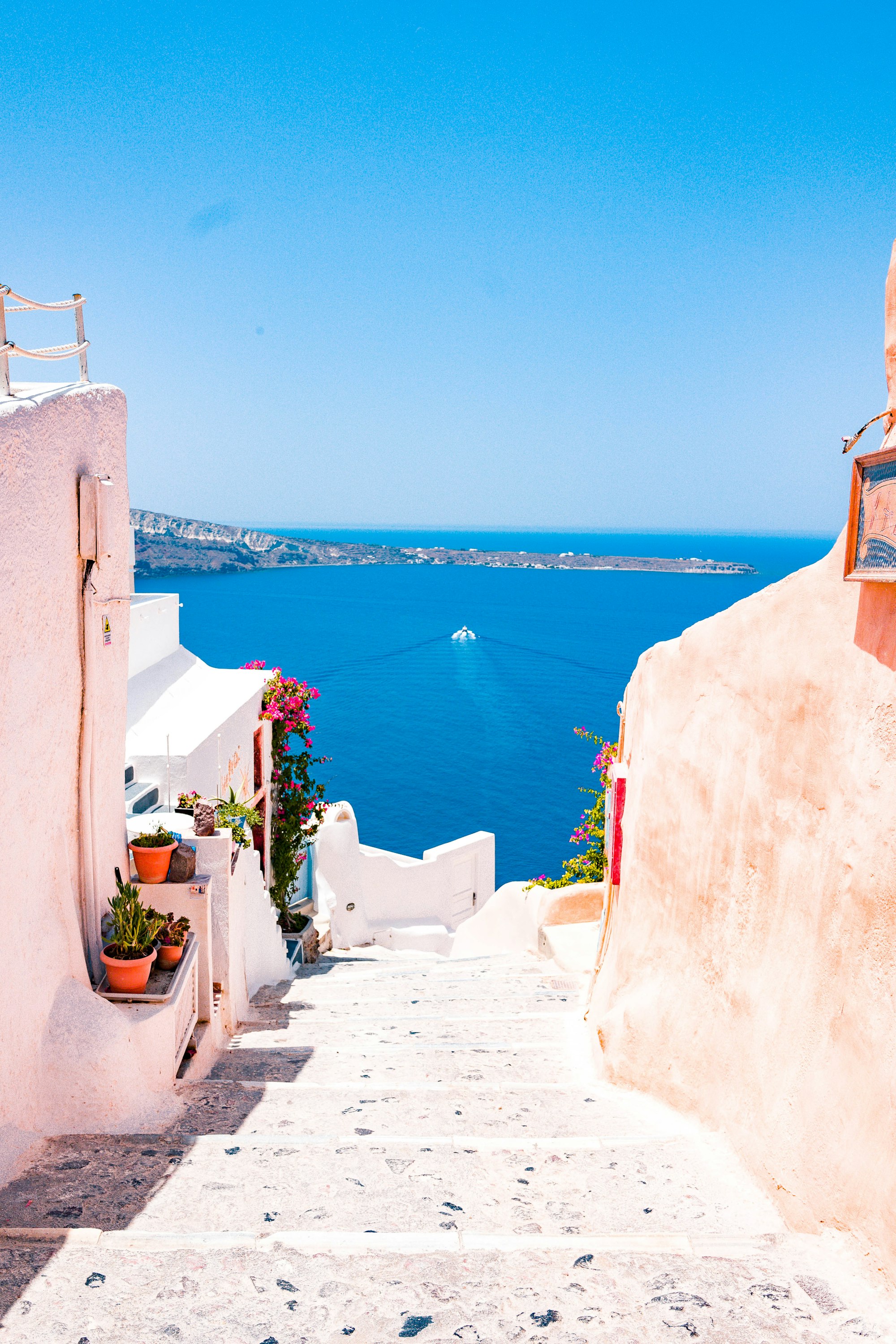
Georgia is a small country, but its roads are never quite the same. One valley sits a full day's journey from the next, and the tea served in one village tastes nothing like the one brewed two hours away. This journal weaves four themes together — through the eyes of a solo traveler.
Solo travel in Georgia rarely means loneliness. The last seat of a marshrutka, the kitchen of a village guesthouse, a blanket spread at the foot of a Svan tower — every one of these places gives birth to accidental conversations.
The solo format has its own rhythm. Early morning departures, long pauses, a diary no one needs to see. Many travelers choose the Caucasus for exactly this liberty — here, no one asks where you should be at noon.
In terms of safety, Georgia is one of the most peaceful destinations in the region. Night transport runs normally in cities, while in villages the culture of hospitality often replaces the formal services of the tourist industry.
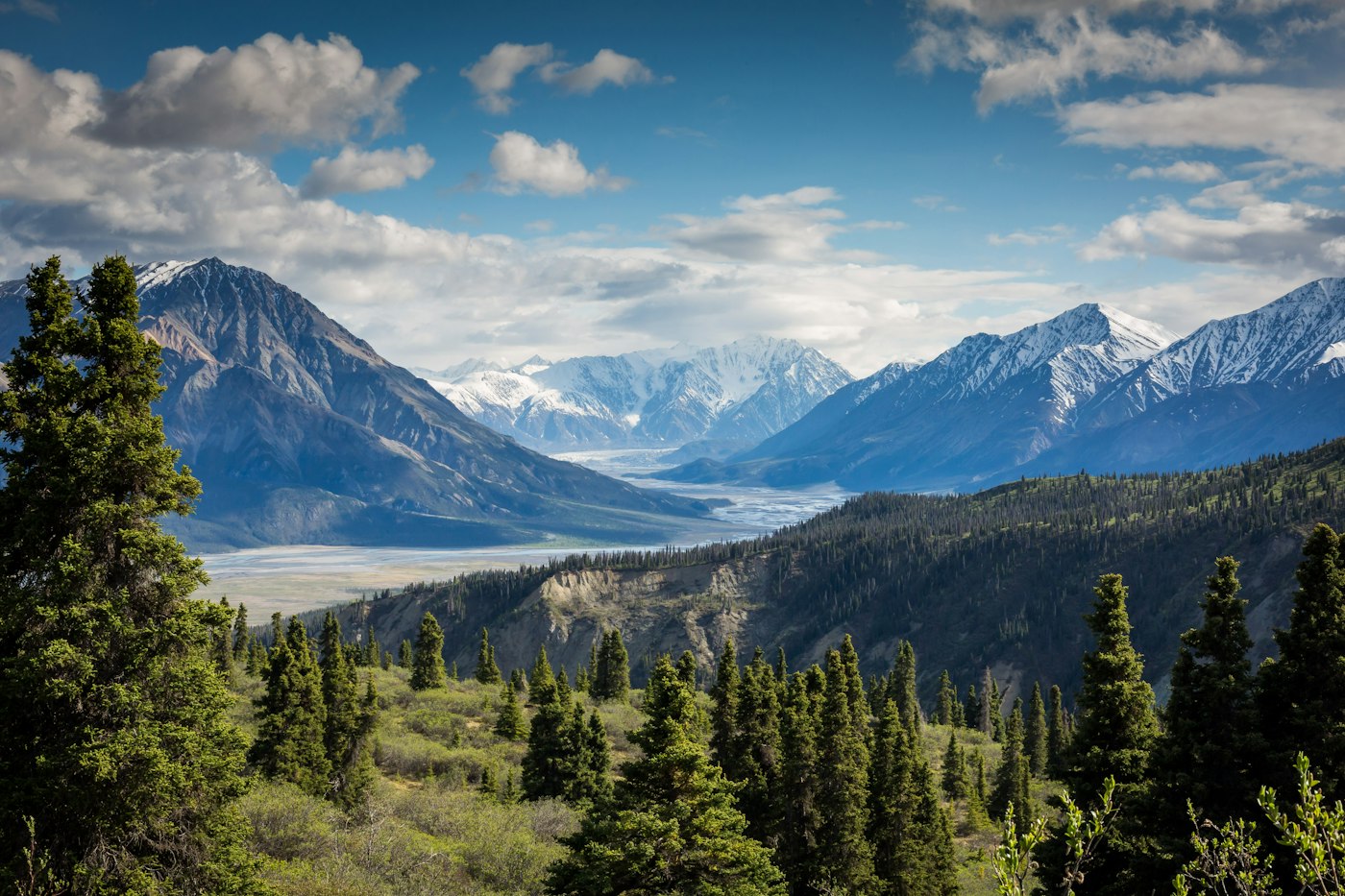
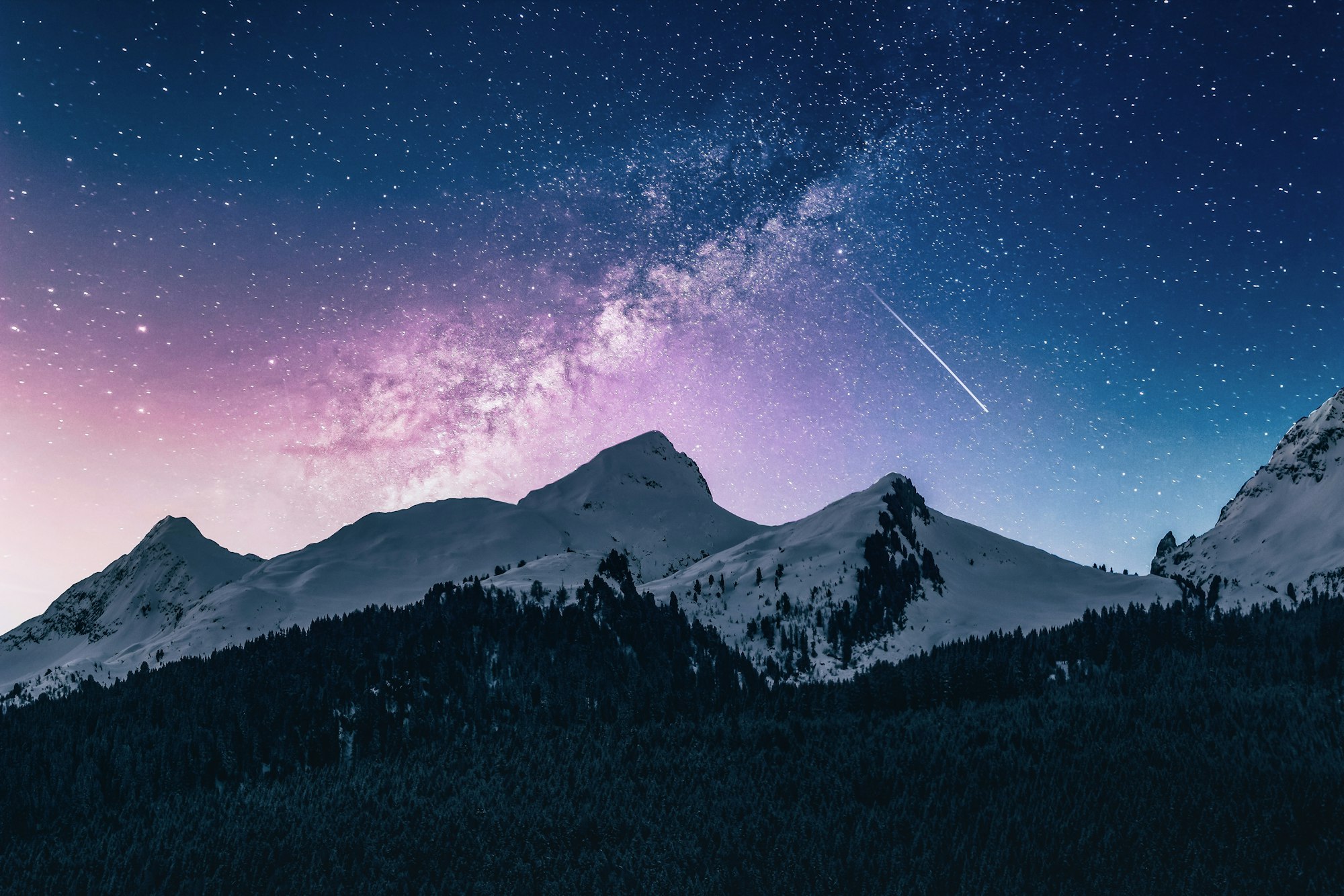
A liberty route is the kind of journey where the itinerary is born at the start of each day. No pre-booked hotels, no group guides. Just a general direction, a map, and an open day stretching ahead.
In Georgia, this format fits the infrastructure naturally. Renting a room at a village guesthouse is often possible on the day of arrival, and local transport — marshrutkas and shared taxis — runs on loose schedules, nearly every hour.
A few classic liberty routes: Tbilisi — Sighnaghi — Telavi through the Kakheti wine region; Kutaisi — Chiatura — Bakuriani across the western foothills; or southward toward the cliff city of Vardzia.
The main rule of this kind of solo travel is simple: don't book tomorrow's accommodation until you've seen today's.
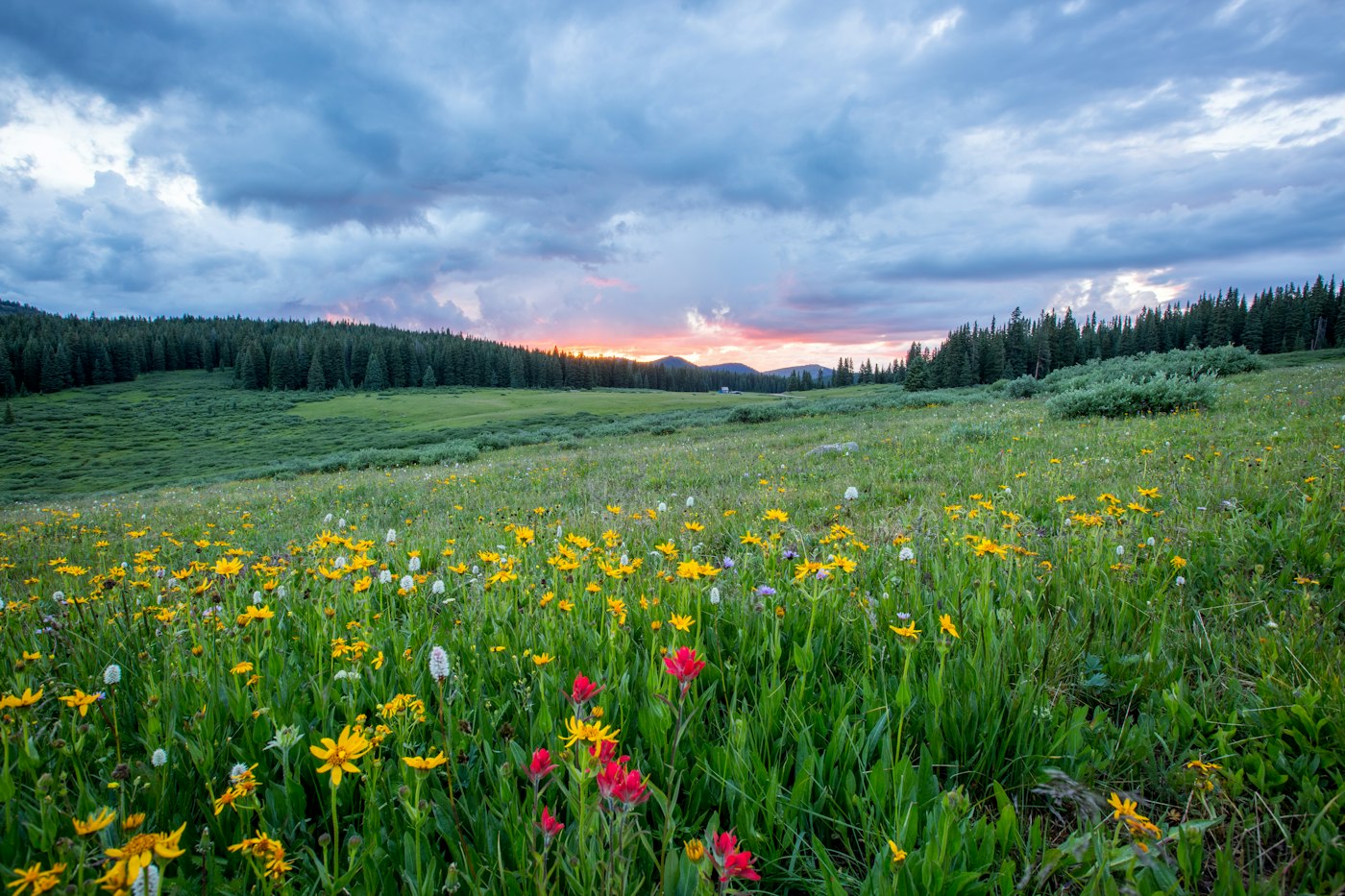
"The map suggests a road. The valley tells you where to stop."Local saying, Racha
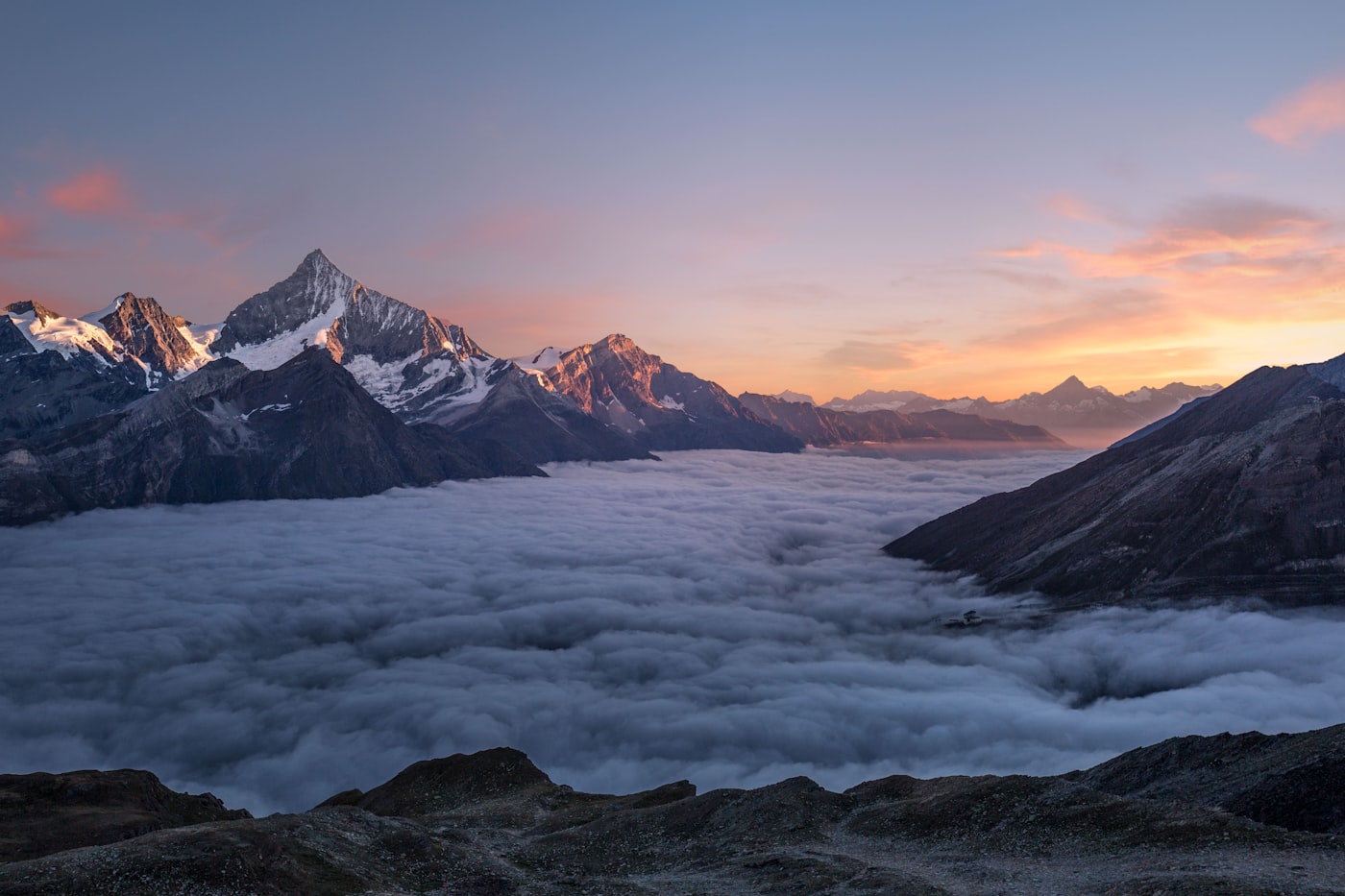
Svaneti lies in the northwestern corner of Georgia — a high-mountain region where stone towers protected families for centuries from winter avalanches and outside threats. Today these towers are part of a UNESCO World Heritage site.
The region's center is Mestia, a small town from which the main routes unfold: toward the Chalaadi Glacier, the Koruldi Lakes, or the more remote Khatvisi Valley. In winter, Mestia becomes a ski resort; in summer — a trekking hub for solo hikers.
Deeper in, the village of Ushguli is considered one of Europe's highest continuously inhabited settlements. Life here still keeps a village rhythm: morning milk, the autumn hay harvest, a Georgian feast by the fireplace.
Svan cuisine is a world of its own — kubdari (meat-filled dough), chvishtari, Svan salt. Many hosts still prepare these dishes using traditional recipes passed down through generations.
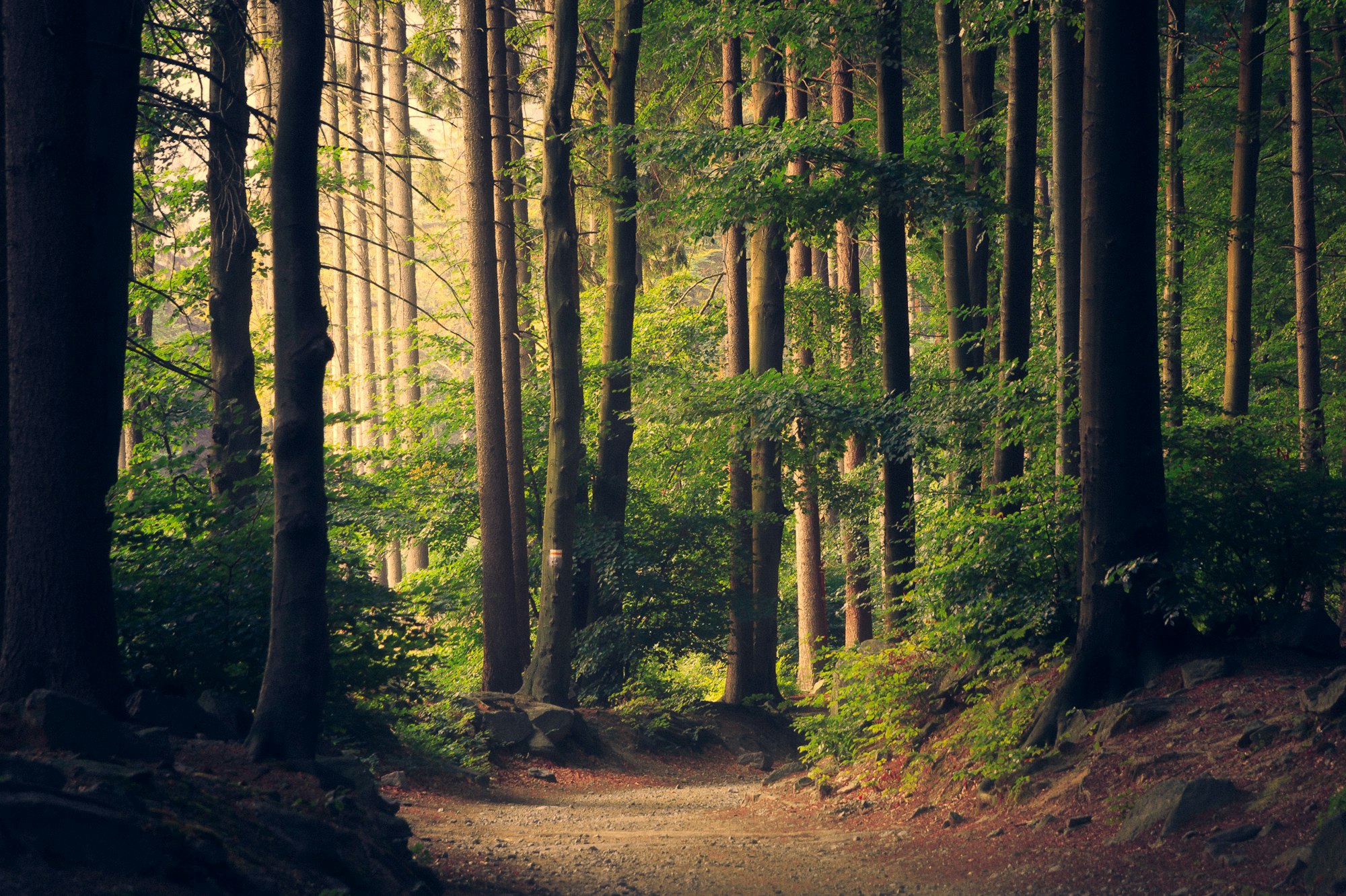
Borjomi sits in the Samtskhe-Javakheti region, a three-hour drive west of Tbilisi. The town is known for its mineral water and a grand, beautiful park that unfolds in the heart of the resort.
Borjomi-Kharagauli National Park — which begins right at the town's edge — is one of the largest in the region. Several marked trails wind through it: from single-day walks to multi-day solo treks with overnight camping spots along the way.
The tradition of strolling through Borjomi itself goes back over a century. In the late 19th century, the town became a resort center of the Russian Empire, leaving behind European-style houses, parks, and libraries.
Today Borjomi is a quiet, family-friendly destination. Nobody rushes here — not in the cafés, not on the park trails, not in the spa baths. The perfect final stop on any liberty route through the Caucasus.